
Dishuu Ready
Dishuu Ready connects offline diagnostic guidance, spare parts, and equipment monitoring in one place for factory maintenance teams.
One maintenance workflow
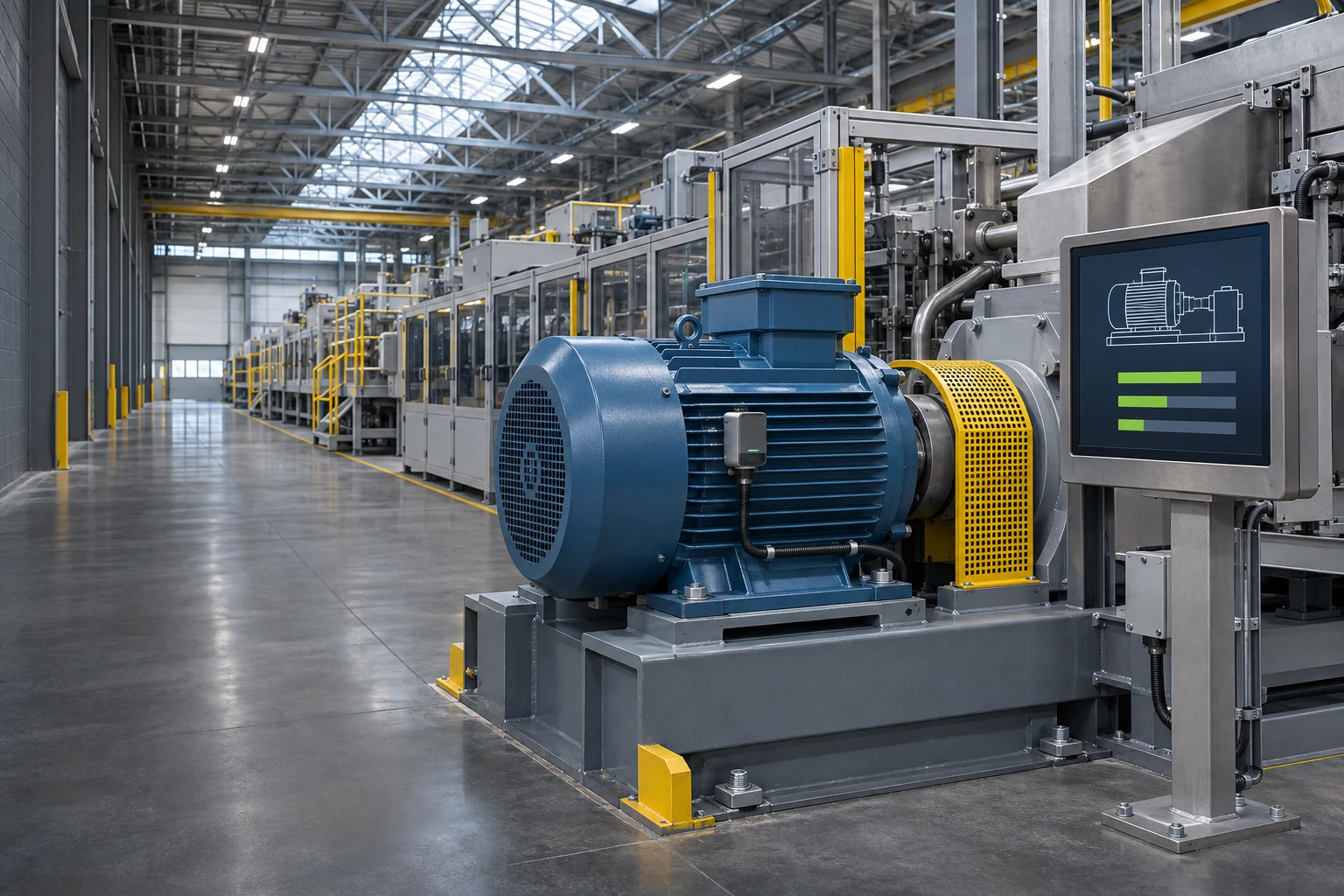
A factory maintenance team investigates a motor that runs hot during a production shift. Core workflows run on site without an internet connection. Access to records and alerts follows the site’s security requirements.
-
Insight
Insight brings up approved checks and confirmed repair history for that motor. The technician decides what to inspect.
-
Atlas
If the inspection calls for a spare, Atlas shows what fits, what is in stock, and when a replacement can arrive.
-
Vigil
Vigil tracks the motor’s condition after maintenance and alerts the team if the temperature changes again.
What could faster diagnosis give your team back?
On a factory floor, warning signs, work orders, and parts records can sit in separate systems. Start with one equipment family to see how much time operators and technicians can recover and how reliably they can plan maintenance around production.
Illustrative annual scenario
1,600 h
Potential maintenance capacity released across 2,000 diagnostic tasks.
Time per diagnostic task
48 minutes per task × 2,000 tasks ÷ 60 = 1,600 hours. Compare tasks at equivalent quality, including review and corrections.
With a three-hour physical repair in both scenarios, total time per job would fall from 240 to 192 minutes. Across 2,000 jobs, the workload would fall from 8,000 to 6,400 hours. Those hours represent staff capacity. Any cash savings depend on how the time is used.
How we’d measure a pilot.
Agree on the baseline, deadlines, operating exposure, and how technicians sign off before the pilot. The figures below are proposed targets and release criteria.
- Diagnostic time80% less time
- Compare matched tasks at equivalent quality, including review and corrections.
- Maintenance completion90% on time
- Count tasks completed by deadlines agreed with the operator.
- Unplanned breakdowns50% fewer
- Compare breakdown counts at matched operating hours with adequate follow-up.
- Procedural answers100% traceable
- Verify the correct approved source and revision before release.
Explore the modules
-
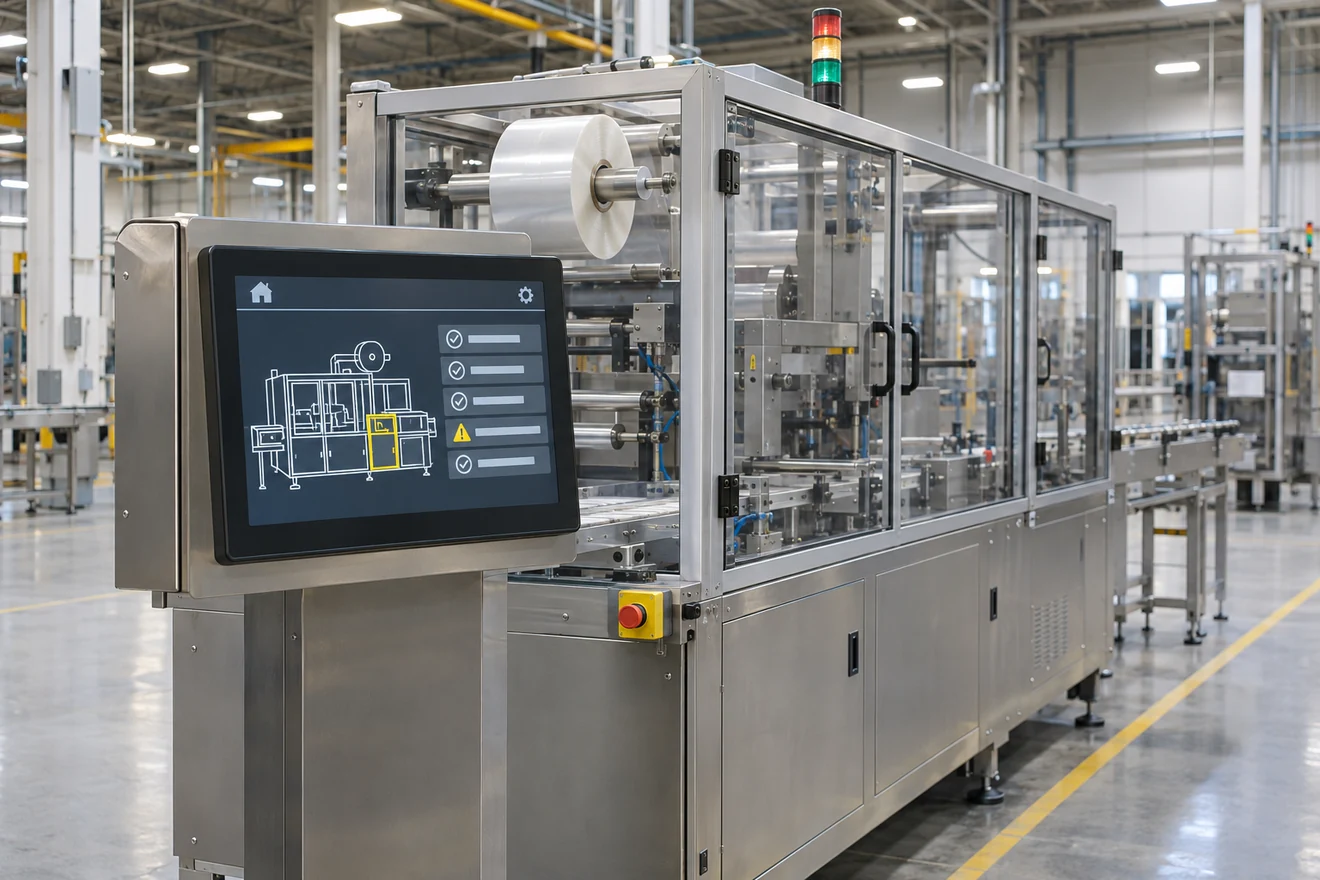
Insight
Insight helps technicians narrow equipment faults using model-specific references and observations. It saves the assessment, work performed, and service outcome against the machine.
-
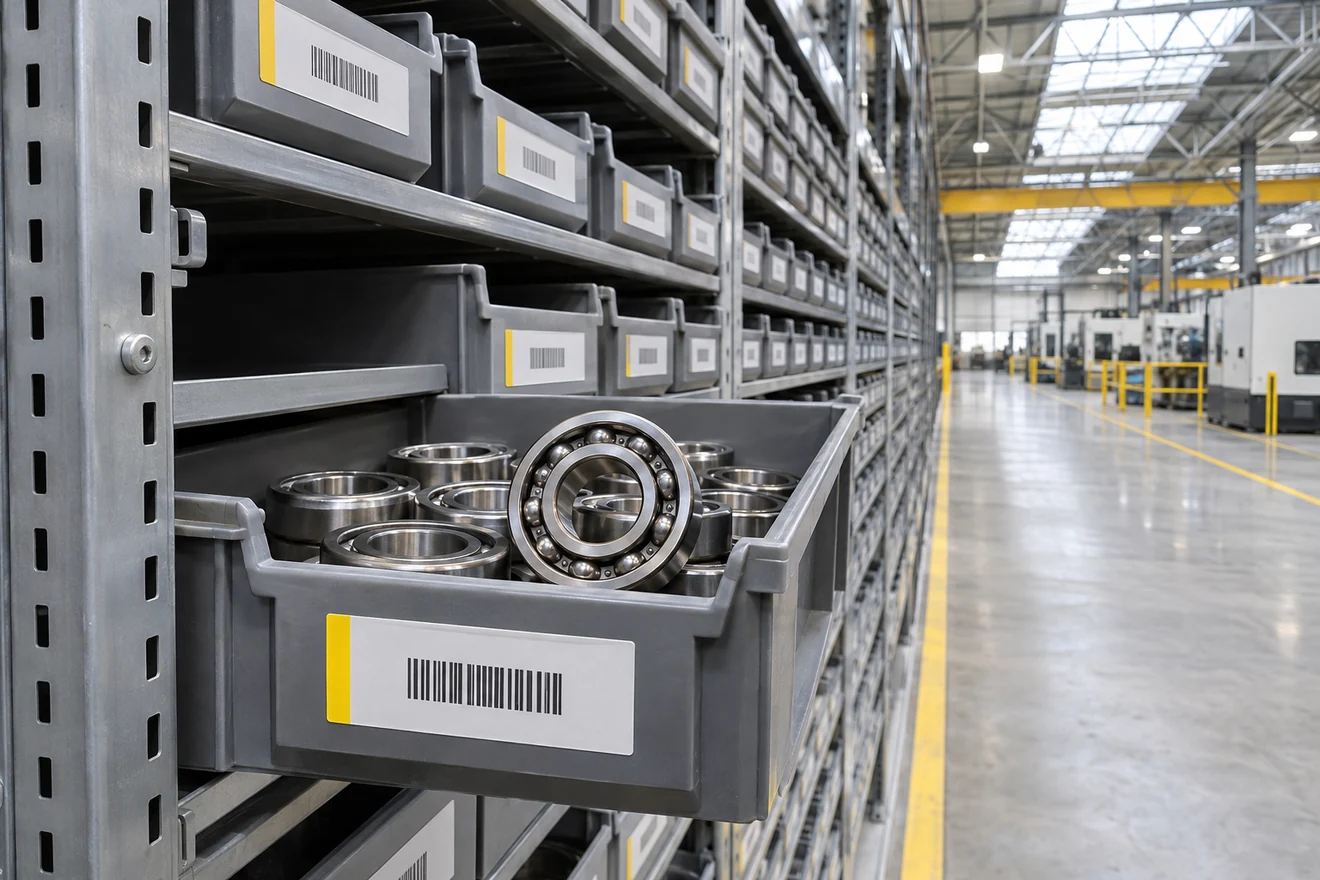
Atlas
Tie physical stock and approved part compatibility directly to the equipment record.
-
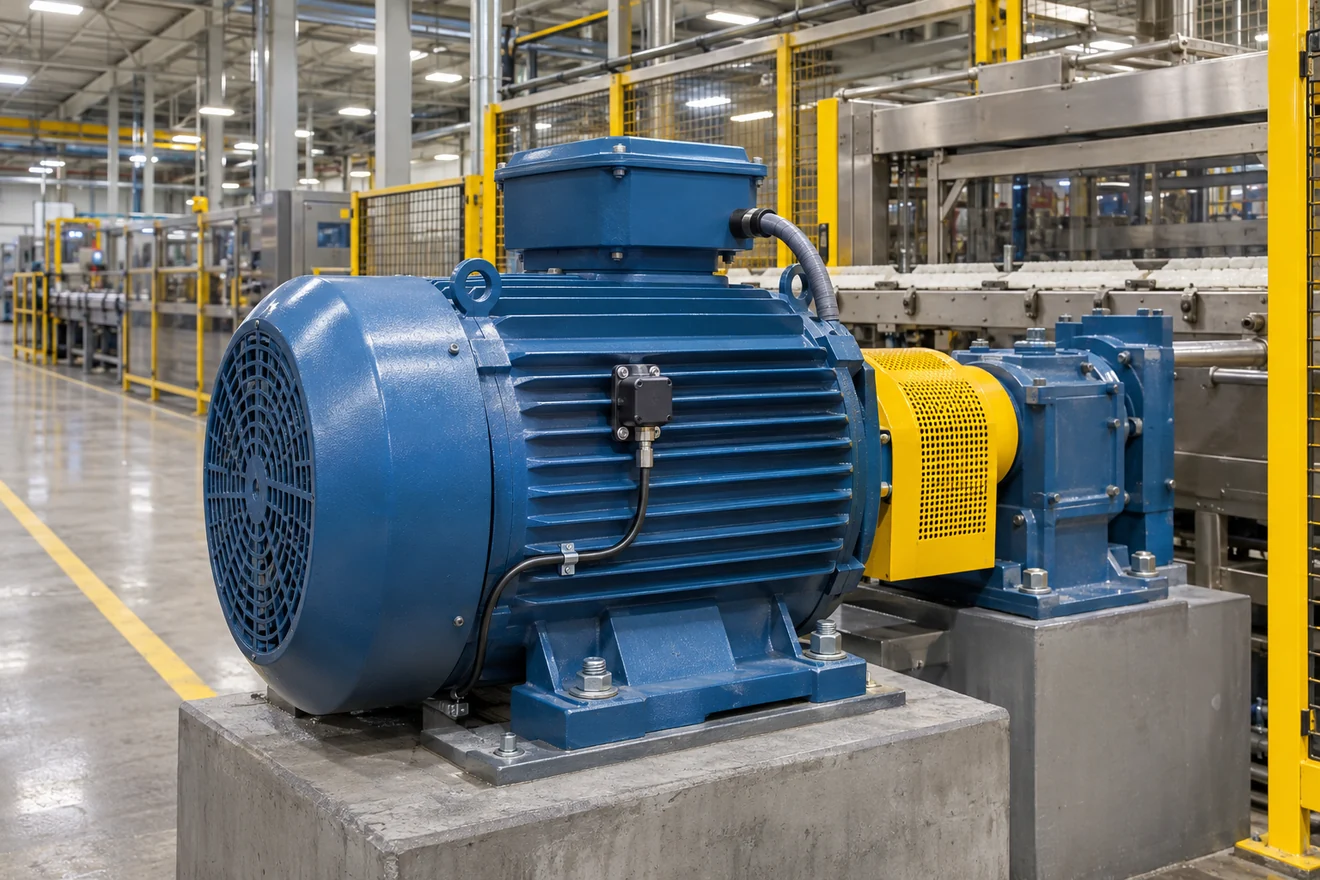
Vigil
Custom sensors and local AI turn changes in equipment condition into alerts a maintenance team can act on.
-
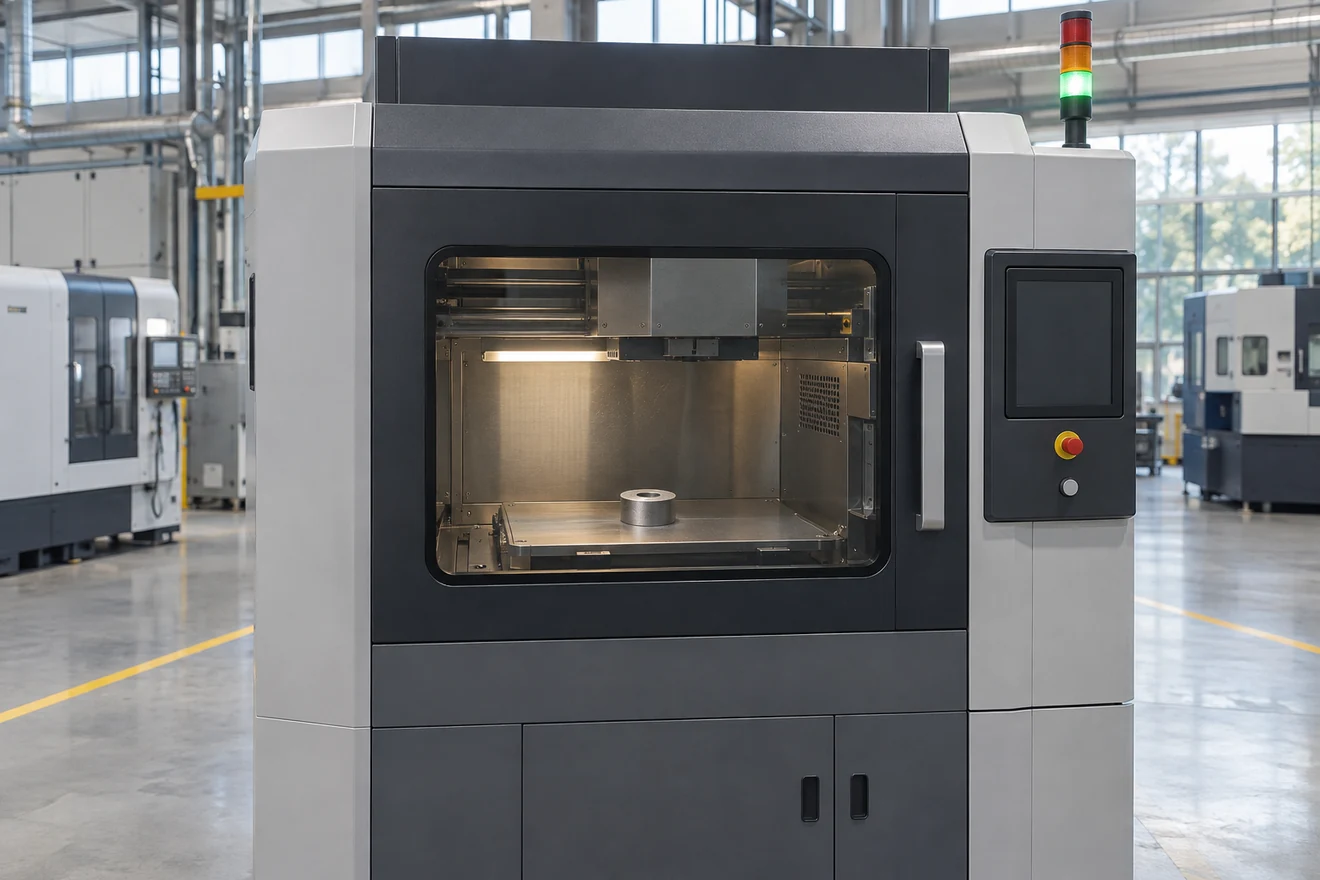
Forge
An optional, customer-led fourth phase for an agreed family of replacement parts, subject to engineering approval and qualification.
Start with one site and one equipment family.
Bring your maintenance lead and available records. Together we’ll agree on equipment scope, safe sensor installation, and success criteria.