Keep production equipment running.

Bring the same Dishuu Ready platform to the factory floor. Connect diagnostic guidance, spare parts, and machine condition across shifts.

Offline AI
Run core workflows on site, without an internet connection.
Secure AI
Design around approved data, access rules, and operator control.
Custom sensors
Capture equipment signals with hardware built for the site.

Two ways to work with Dishuu.

Dishuu Ready for factories

On a factory floor, warning signs, work orders, and parts records can sit in separate systems. Start with one equipment family to see how much time operators and technicians can recover and how reliably they can plan maintenance around production.

Explore factory maintenance

Custom solutions

Bring a machine, process, or workflow you want to improve. We’ll talk through how it works today, what your site allows, and what a useful solution would need to do.

See how we scope custom work

Dishuu Ready

Four capabilities. One equipment record.

Start with diagnostic guidance, connect the findings to available parts, and use equipment monitoring to track changes over time. Verified findings stay in the same equipment record.

Insight, Atlas, and Vigil make up the initial pilot. Forge is an optional later phase, driven by customer requirements and pilot findings.

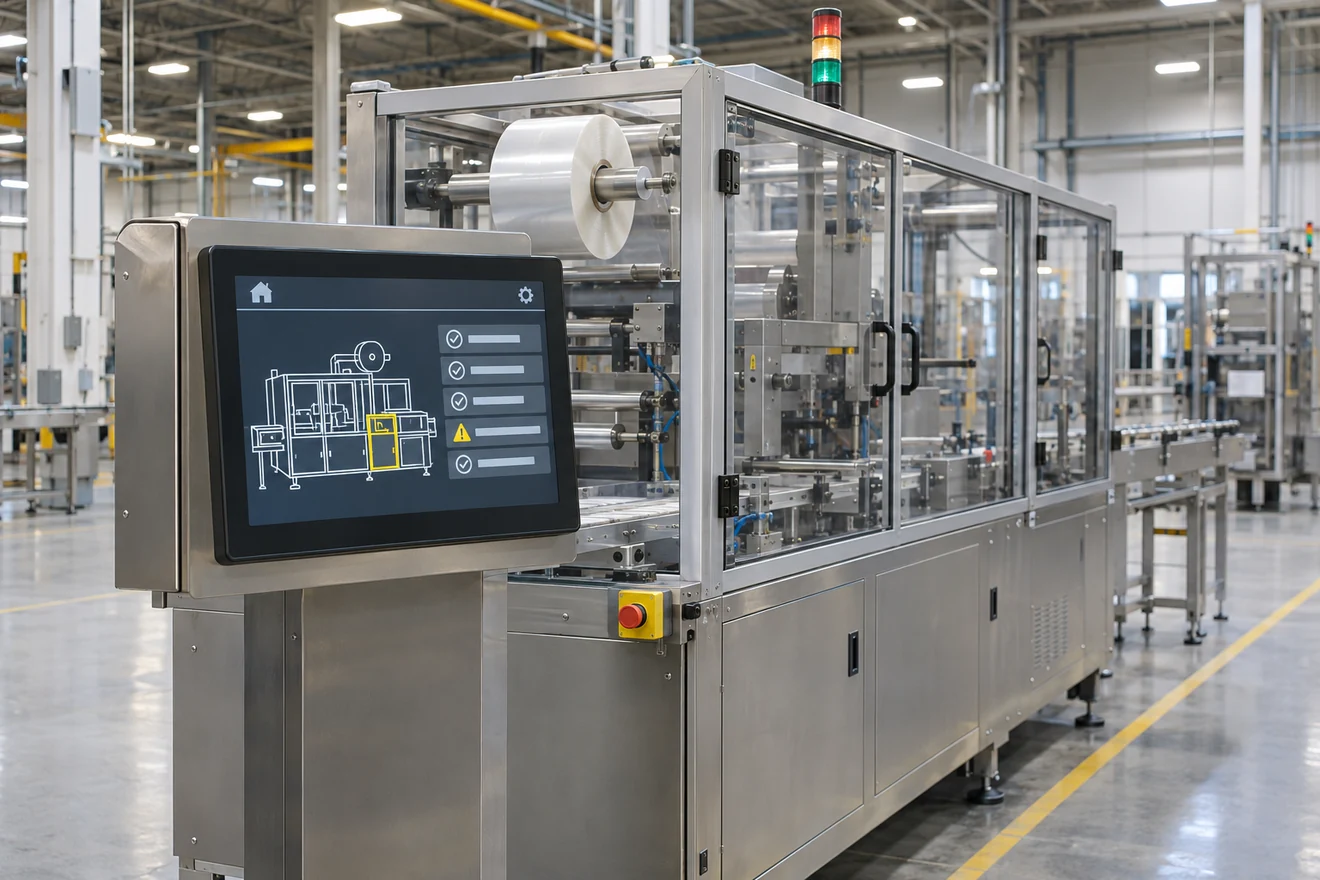
A fixed diagnostic display beside an automated factory machine

Insight

Diagnose and guide

Insight helps technicians narrow equipment faults using model-specific references and observations. It saves the assessment, work performed, and service outcome against the machine.

Select the machine
Open an assigned facility, pick the floor, and select the machine from its pin or the equipment list.
Narrow the fault
Choose a common symptom or describe what happened. Insight uses the equipment reference and the technician’s observations to ask up to three focused questions and explain what remains to verify.
Save what happened
Record the work performed, the outcome, and any verification readings. Reopen your previous assessments on the machine to review the recorded evidence and maintenance guidance.
Explore Insight
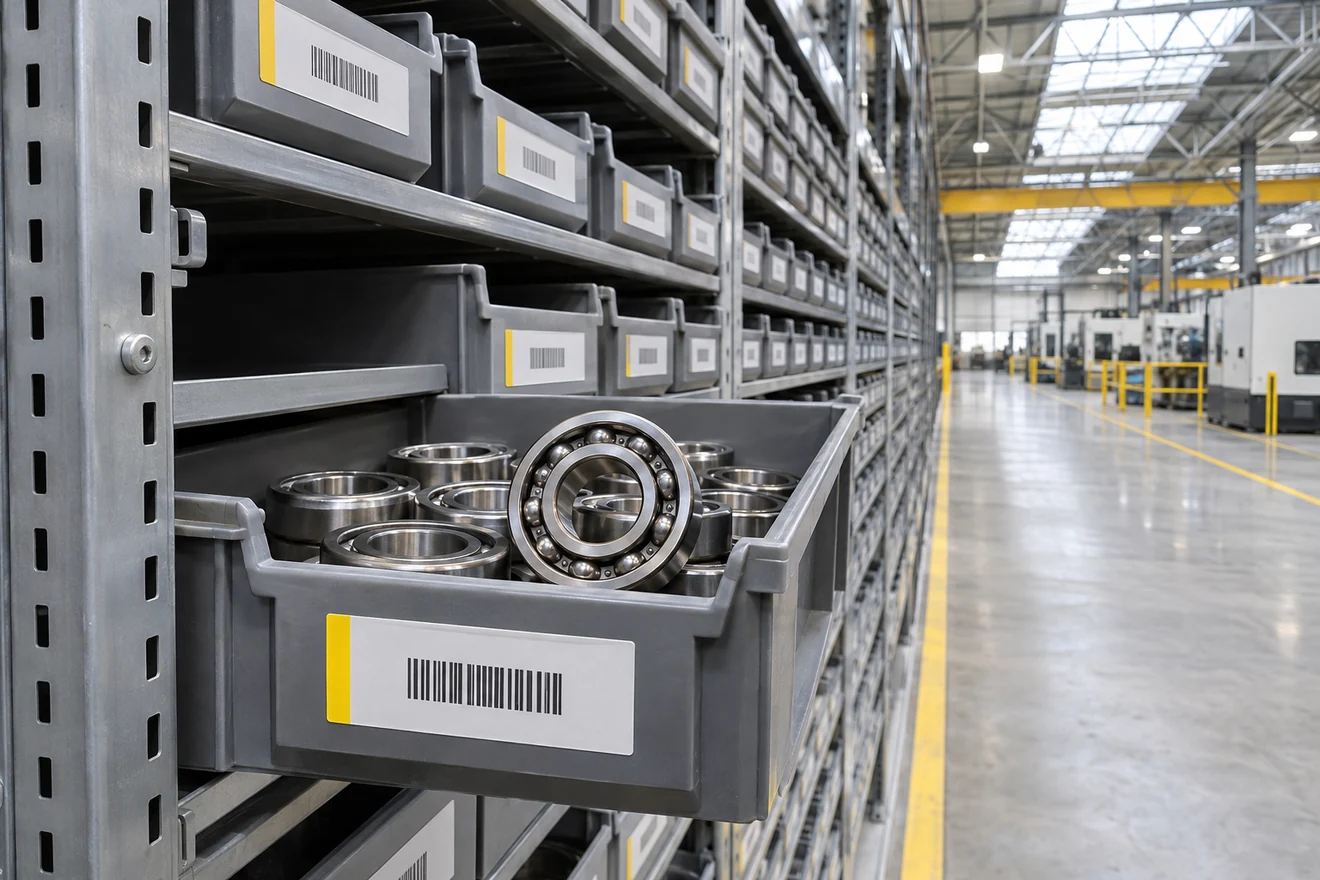
A tagged bin of bearings in a factory spare-parts warehouse

Atlas

Locate and predict

Tie physical stock and approved part compatibility directly to the equipment record.

Map stock to the equipment
Assign unique QR or barcode identifiers at the appropriate item, batch, or container level. Record storage locations and approved equipment compatibility.
Forecast future demand
Use planned maintenance, confirmed faults, consumption history, and replenishment lead times to surface potential needs.
Keep planning accountable
Planners review uncertainty and spare-part criticality. Track movements and reservations, and reconcile conflicting records when disconnected locations sync.
Explore Atlas
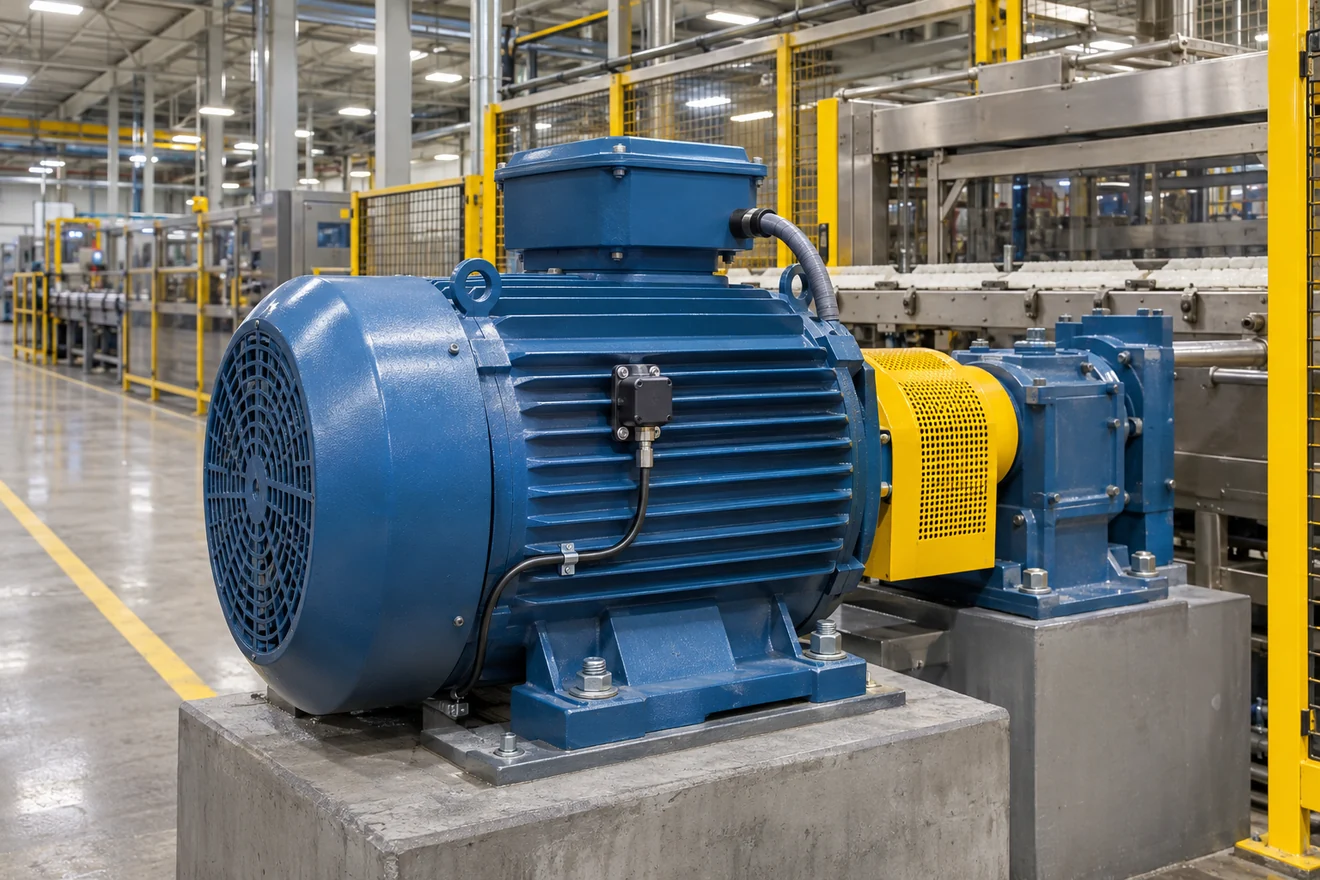
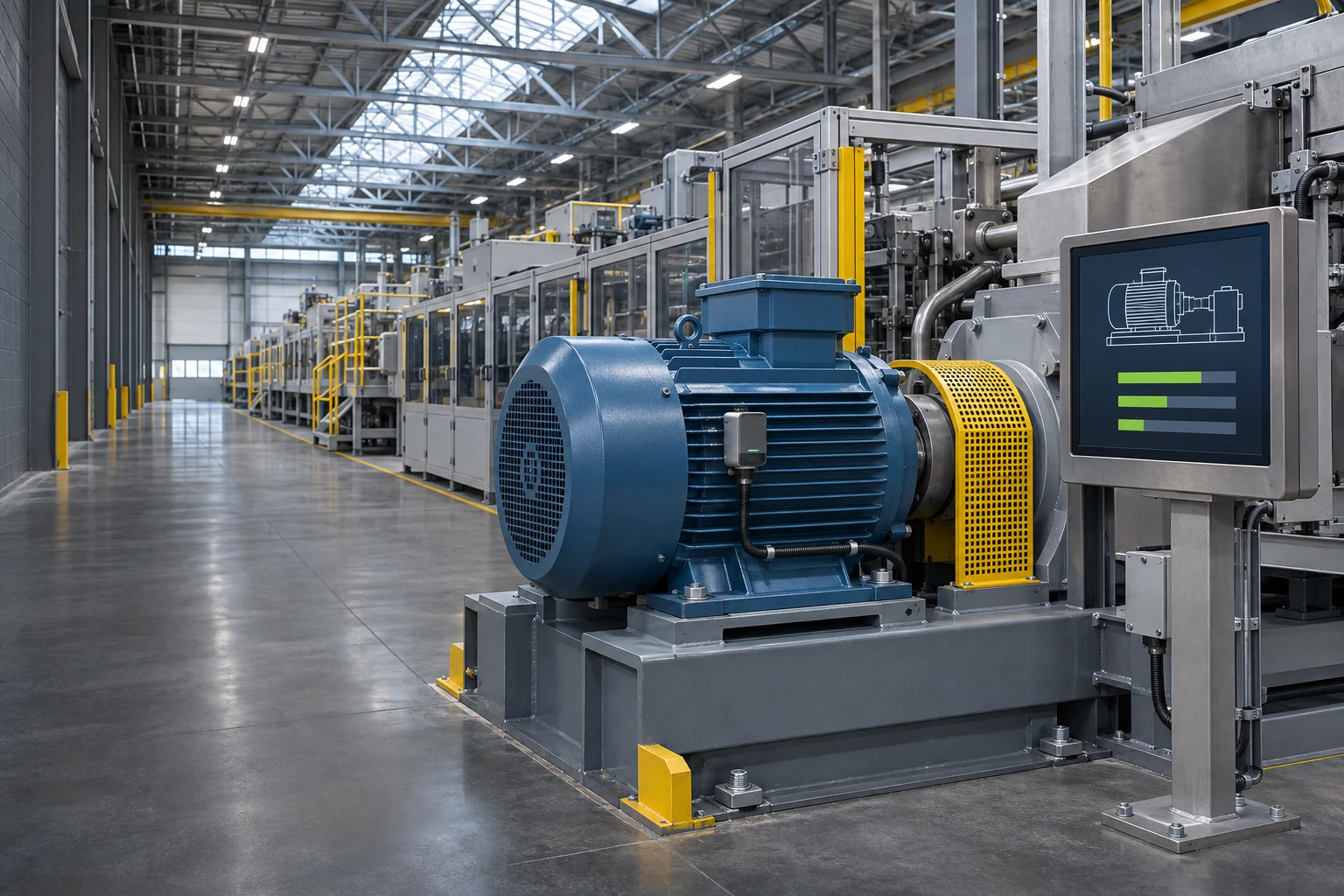
An installed condition-monitoring sensor on a large factory production motor

Vigil

Sense and alert

Custom sensors and local AI turn changes in equipment condition into alerts a maintenance team can act on.

Instrument the equipment
Dishuu designs sensor boards, acquisition hardware, and gateways around the machine. Signals may include vibration, temperature, current, or pressure, depending on the equipment and the faults the team needs to observe.
Detect changes locally
An equipment-specific model looks for abnormal patterns on local compute. Alert timing depends on the signal, sampling, and processing latency.
Route evidence to the team
Severity-based local alerts can include the triggering signal and a suggested inspection. Technicians review the evidence and decide what action to take. The alert becomes part of the equipment record.
Explore Vigil
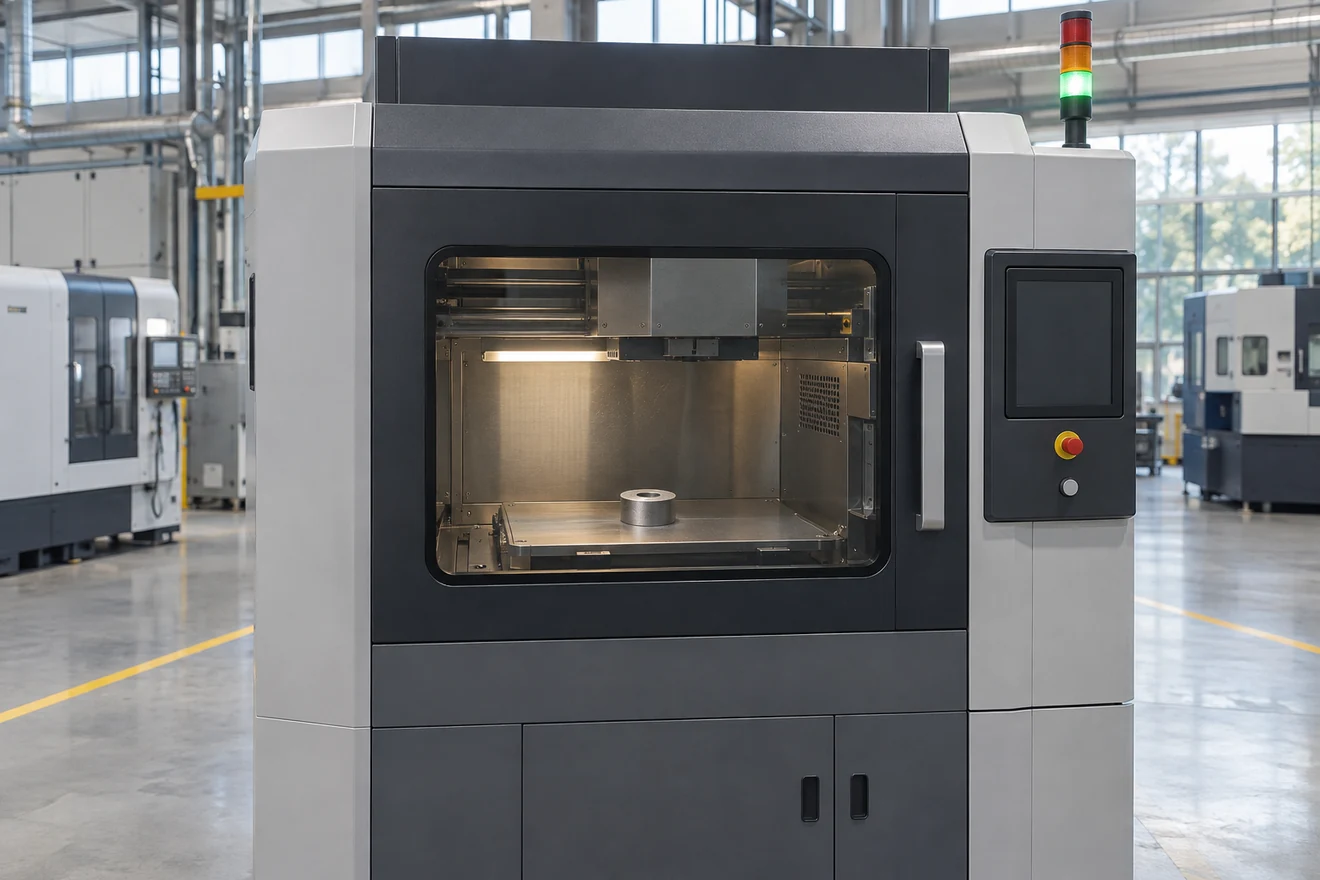
An enclosed industrial fabrication machine with a fixture spacer visible through its window

Forge

Design and print · Optional later phase

An optional, customer-led fourth phase for an agreed family of replacement parts, subject to engineering approval and qualification.

Confirm whether local fabrication fits
After Insight, Atlas, and Vigil are validated, review demand with the customer and select an eligible part family where lead time is a meaningful constraint.
Keep engineering in control
AI can help propose candidate designs for qualified review. Engineering verifies design permissions, material requirements, and which parts are suitable for the workflow.
Inspect and accept parts before use
Qualified facilities may need post-processing, inspection, and equipment acceptance before use. Keep suppliers in the plan for nonprintable parts and manufacturing consumables.
Explore Forge
An installed condition-monitoring sensor on a large factory production motor

Built around your equipment and site.

Dishuu designs the sensing electronics, interfaces, and gateways around the signals your equipment generates. Local models support equipment-specific guidance, inventory workflows, and anomaly detection.

We define power, ruggedization, data access, document approval, and connectivity with your team. Core workflows run offline. Alerts stay on site unless you approve an external communications path. Operators retain maintenance decisions.

What could faster diagnosis give your team back?

On a factory floor, warning signs, work orders, and parts records can sit in separate systems. Start with one equipment family to see how much time operators and technicians can recover and how reliably they can plan maintenance around production.

Illustrative annual scenario

1,600 h

Potential maintenance capacity released across 2,000 diagnostic tasks.

Time per diagnostic task

Example baseline60 min
Proposed target12 min

48 minutes per task × 2,000 tasks ÷ 60 = 1,600 hours. Compare tasks at equivalent quality, including review and corrections.

With a three-hour physical repair in both scenarios, total time per job would fall from 240 to 192 minutes. Across 2,000 jobs, the workload would fall from 8,000 to 6,400 hours. Those hours represent staff capacity. Any cash savings depend on how the time is used.

How we’d measure a pilot.

Agree on the baseline, deadlines, operating exposure, and how technicians sign off before the pilot. The figures below are proposed targets and release criteria.

Diagnostic time80% less time
Compare matched tasks at equivalent quality, including review and corrections.
Maintenance completion90% on time
Count tasks completed by deadlines agreed with the operator.
Unplanned breakdowns50% fewer
Compare breakdown counts at matched operating hours with adequate follow-up.
Procedural answers100% traceable
Verify the correct approved source and revision before release.

Dishuu Ready presentation

See how the four modules work together, what a pilot would measure, and how Dishuu Ready can be deployed.

Download PowerPoint
  1. Slide 1 of 15. Dishuu Ready
    Open full size
    Read slide text

    Dishuu.com

    Dishuu Ready

    Ready when

    it matters.

    CEO: Neel Shah

    OFFLINE AI FOR REMOTE OPERATIONS

    CFS Alert, Nunavut. Reference environment.

    Image by Kevin Rawlings · CC BY-SA 4.0 · cropped or resized in the presentation.

  2. Slide 2 of 15. Four capabilities. One equipment record.
    Open full size
    Read slide text

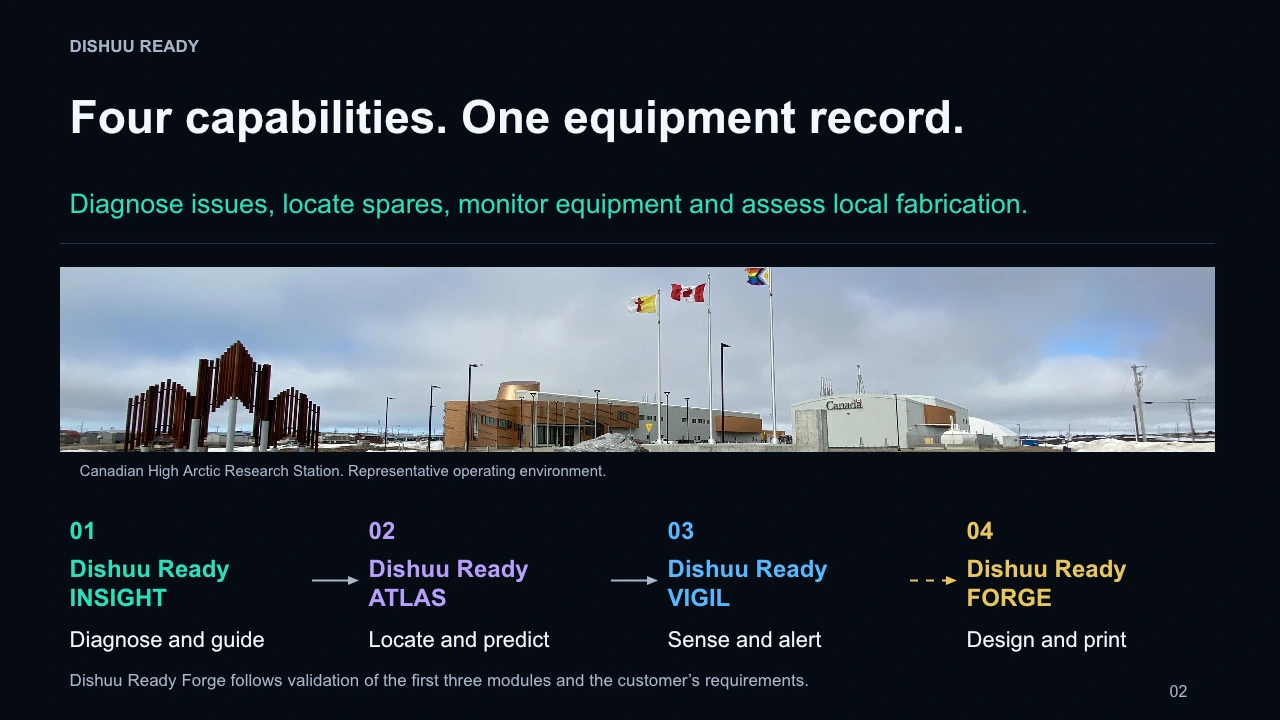
    Four capabilities. One equipment record.

    Diagnose issues, locate spares, monitor equipment and assess local fabrication.

    Canadian High Arctic Research Station. Representative operating environment.

    01 · Dishuu Ready Insight. Diagnose and guide.

    02 · Dishuu Ready Atlas. Locate and predict.

    03 · Dishuu Ready Vigil. Sense and alert.

    04 · Dishuu Ready Forge. Design and print.

    Dishuu Ready Forge follows validation of the first three modules and the customer’s requirements.

    Image by OhanaUnited · CC BY-SA 4.0 · cropped or resized in the presentation.

  3. Slide 3 of 15. Dishuu Ready Insight
    Open full size
    Read slide text

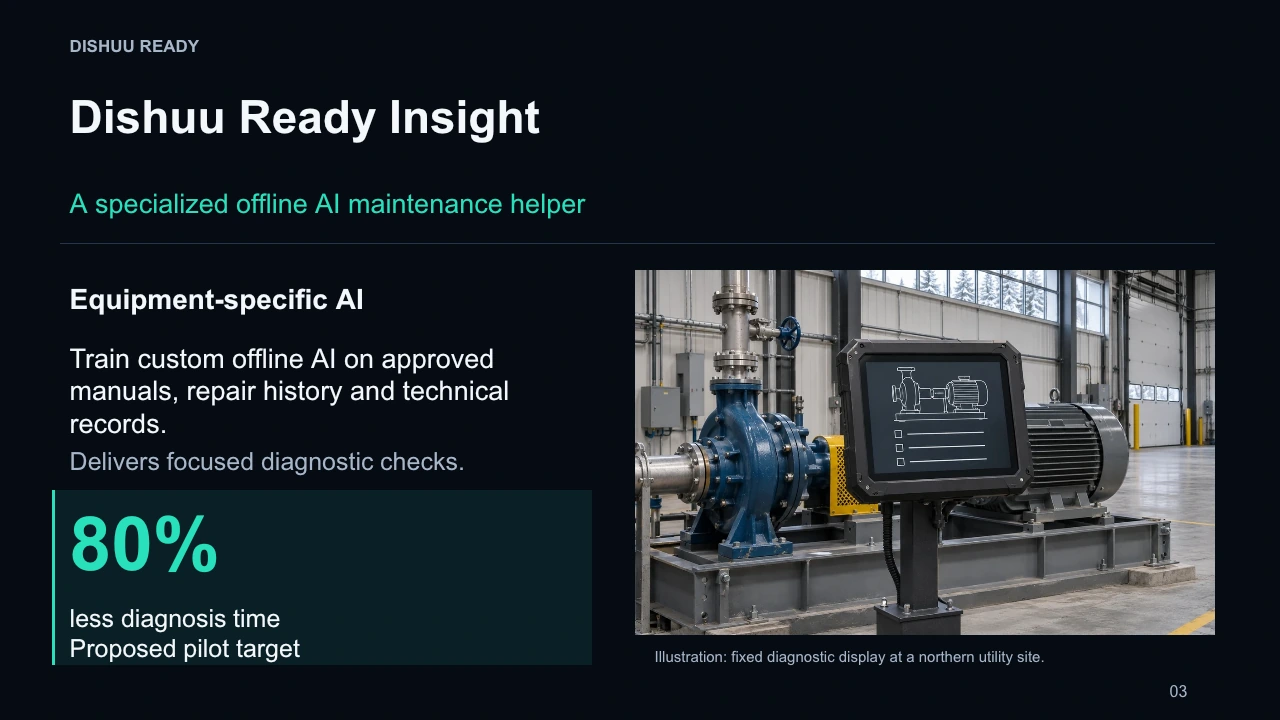
    Dishuu Ready Insight

    A specialized offline AI maintenance helper

    Illustration: fixed diagnostic display at a northern utility site.

    Equipment-specific AI

    Train custom offline AI on approved manuals, repair history and technical records.

    Delivers focused diagnostic checks.

    80%

    less diagnosis time

    Proposed pilot target

  4. Slide 4 of 15. Technician sign-in
    Open full size
    Read slide text

    Technician sign-in

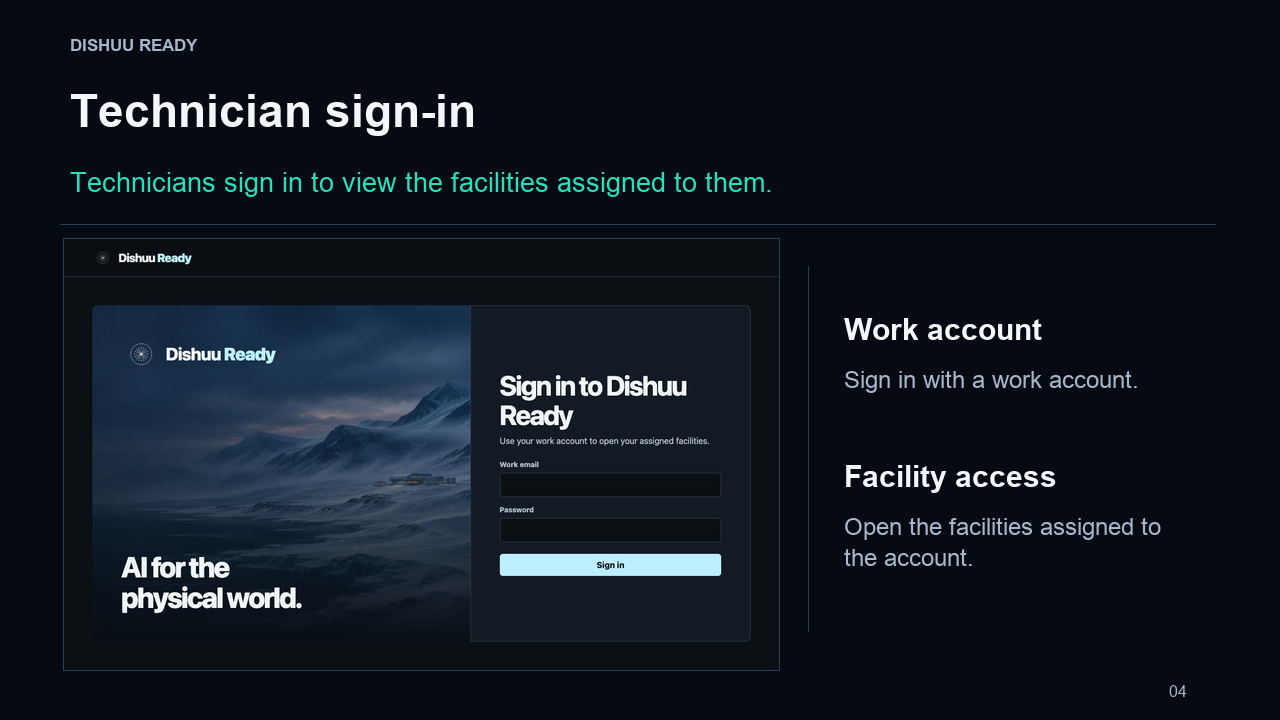
    Technicians sign in to view the facilities assigned to them.

    Screenshot of the running Dishuu Ready sign-in page with the branded header, work email and password fields.

    Sign in with a work account.

    Open the facilities assigned to the account.

  5. Slide 5 of 15. Furnace diagnosis in Insight
    Open full size
    Read slide text

    Furnace diagnosis in Insight

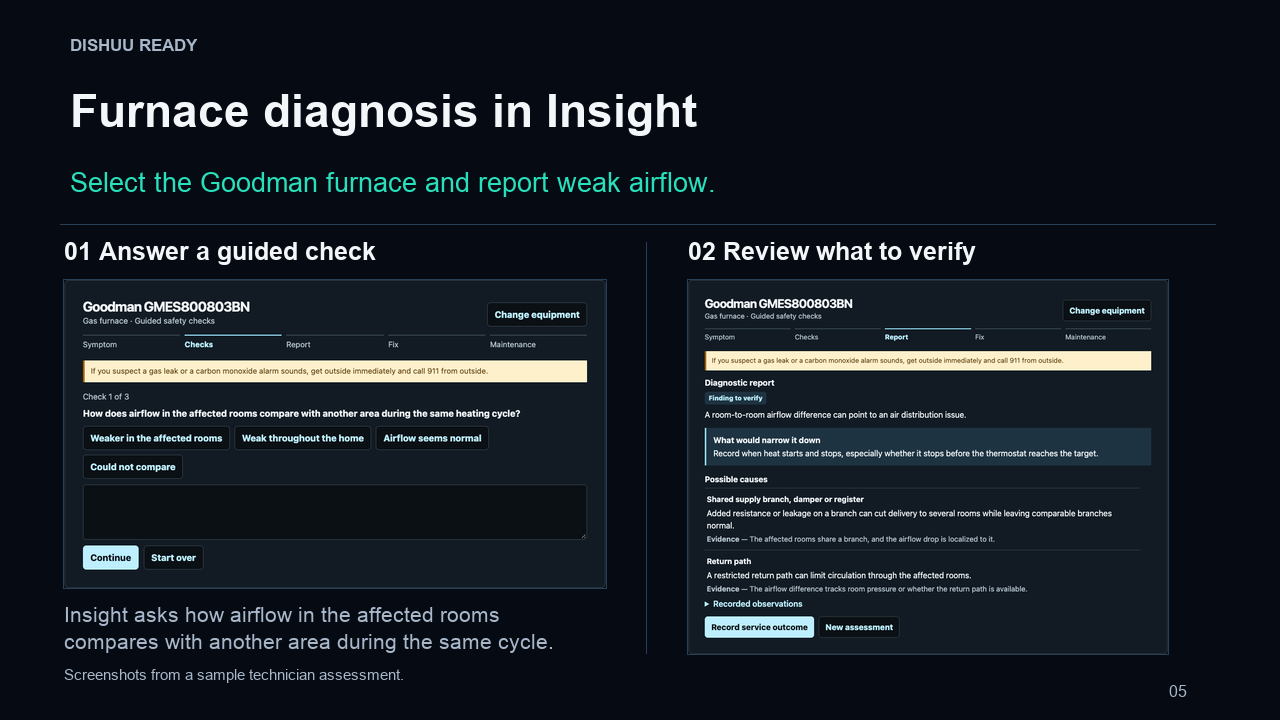
    Select the Goodman furnace and report weak airflow.

    01 Answer a guided check

    Insight asks how airflow in the affected rooms compares with another area during the same cycle.

    02 Review what to verify

    The report explains why the evidence points to air distribution and shows what would narrow the cause.

    Screenshots from a sample technician assessment.

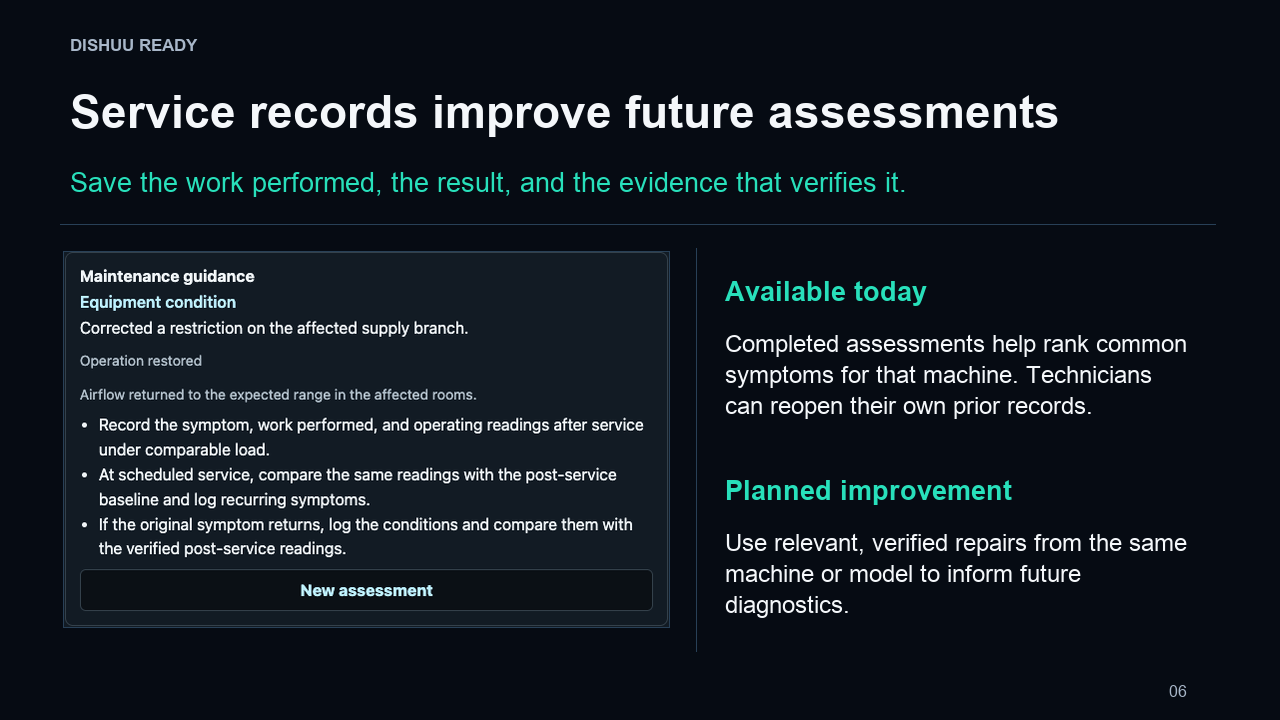
  6. Slide 6 of 15. Service records improve future assessments
    Open full size
    Read slide text

    Service records improve future assessments

    Save the work performed, the result, and the evidence that verifies it.

    A reopened furnace record shows the work performed, restored operation, verification, and what to track at the next service.

    Available today

    Completed assessments help rank common symptoms for that machine. Technicians can reopen their own prior records.

    Planned improvement

    Use relevant, verified repairs from the same machine or model to inform future diagnostics.

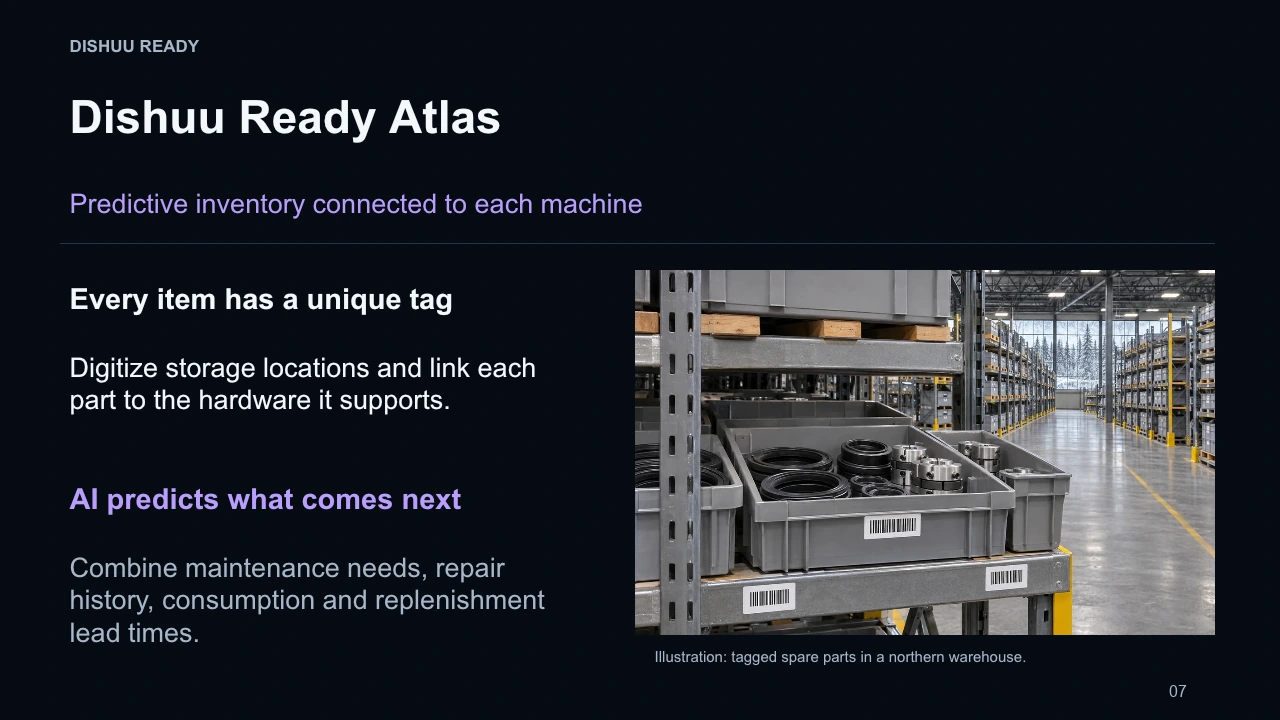
  7. Slide 7 of 15. Dishuu Ready Atlas
    Open full size
    Read slide text

    Dishuu Ready Atlas

    Predictive inventory connected to each machine

    Illustration: tagged spare parts in a northern warehouse.

    Every item has a unique tag

    Digitize storage locations and link each part to the hardware it supports.

    AI predicts what comes next

    Combine maintenance needs, repair history, consumption and replenishment lead times.

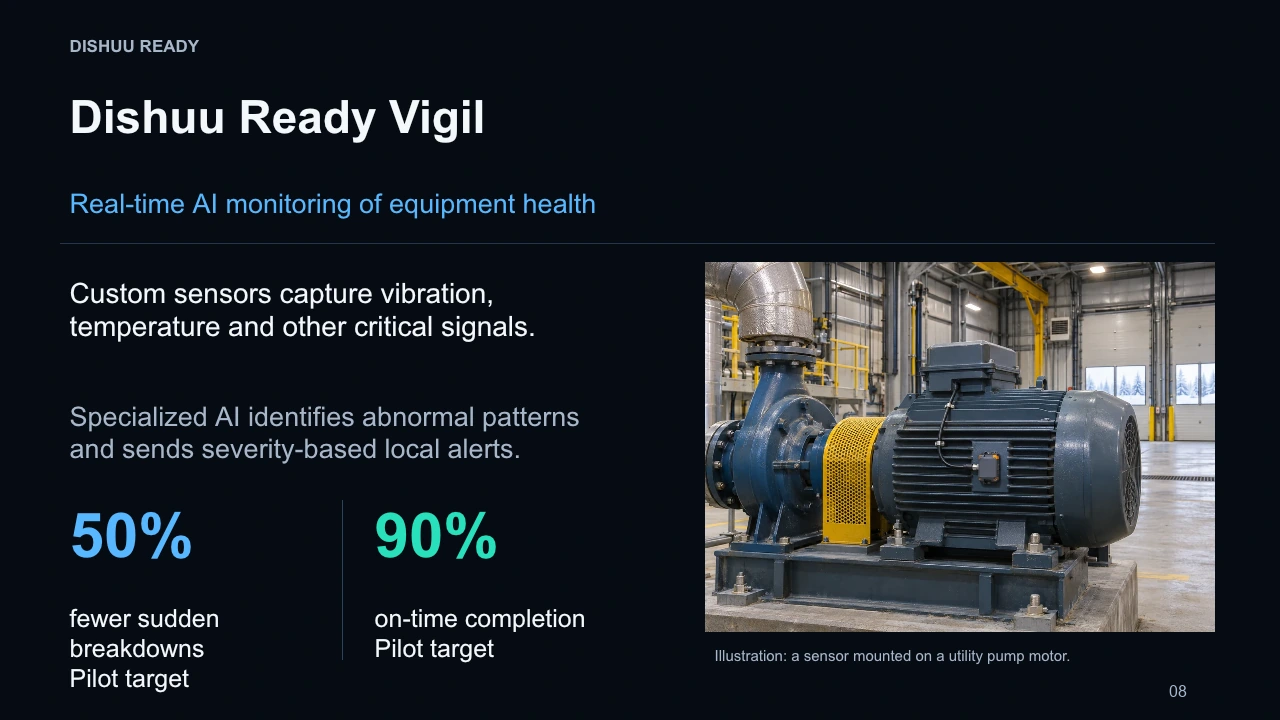
  8. Slide 8 of 15. Dishuu Ready Vigil
    Open full size
    Read slide text

    Dishuu Ready Vigil

    Real-time AI monitoring of equipment health

    Illustration: a sensor mounted on a utility pump motor.

    Custom sensors capture vibration, temperature and other critical signals.

    Specialized AI identifies abnormal patterns and sends severity-based local alerts.

    50%

    fewer sudden breakdowns

    Pilot target

    90%

    on-time completion

    Pilot target

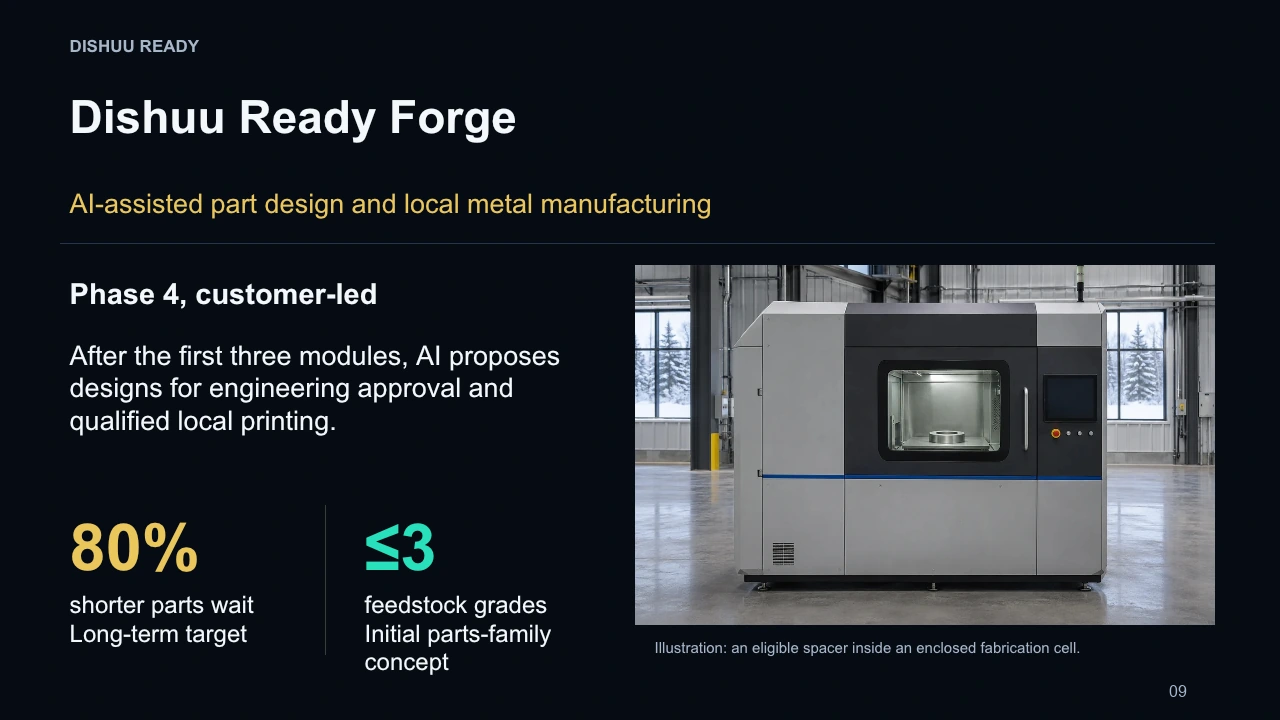
  9. Slide 9 of 15. Dishuu Ready Forge
    Open full size
    Read slide text

    Dishuu Ready Forge

    AI-assisted part design and local metal manufacturing

    Illustration: an eligible spacer inside an enclosed fabrication cell.

    Phase 4, customer-led

    After the first three modules, AI proposes designs for engineering approval and qualified local printing.

    80%

    shorter parts wait

    Long-term target

    ≤3

    feedstock grades

    Initial parts-family concept

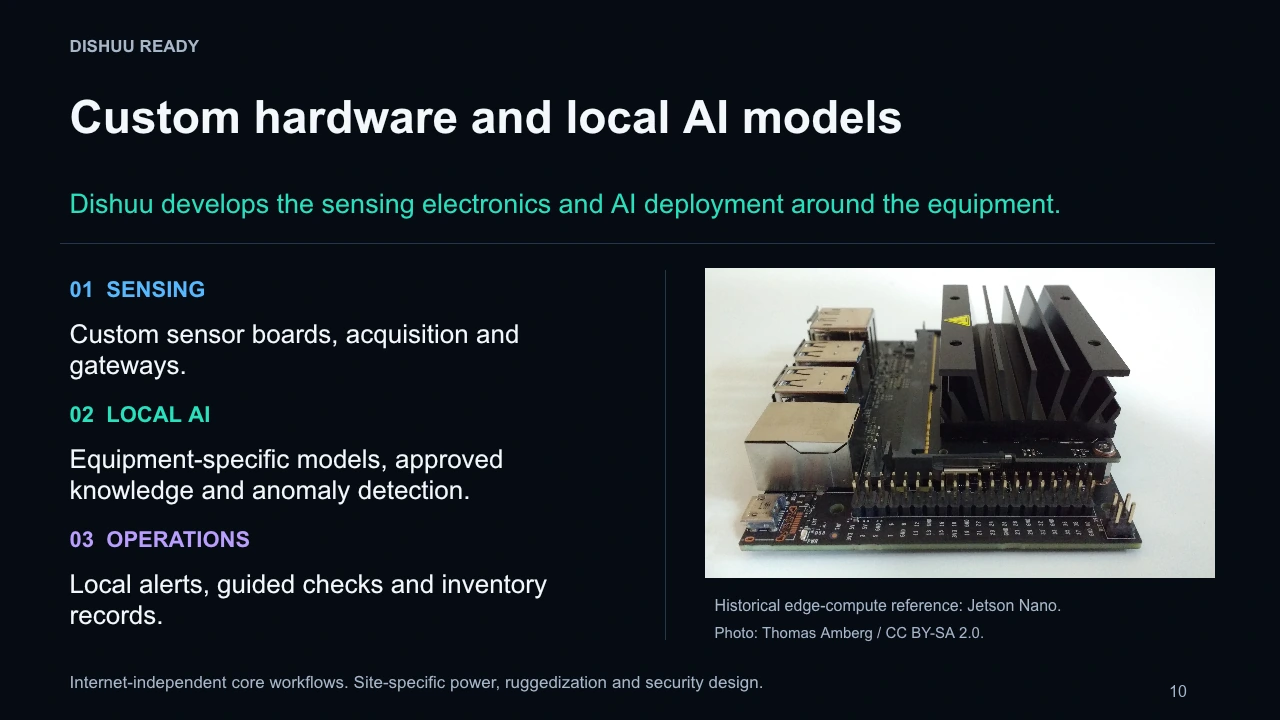
  10. Slide 10 of 15. Custom hardware and local AI models
    Open full size
    Read slide text

    Custom hardware and local AI models

    Dishuu develops the sensing electronics and AI deployment around the equipment.

    Historical edge-compute reference: Jetson Nano.

    Photo: Thomas Amberg / CC BY-SA 2.0.

    01 SENSING

    Custom sensor boards, acquisition and gateways.

    02 LOCAL AI

    Equipment-specific models, approved knowledge and anomaly detection.

    03 OPERATIONS

    Local alerts, guided checks and inventory records.

    Internet-independent core workflows. Site-specific power, ruggedization and security design.

    Image by Thomas Amberg · CC BY-SA 2.0 · cropped or resized in the presentation.

  11. Slide 11 of 15. Faster diagnosis releases maintenance capacity
    Open full size
    Read slide text

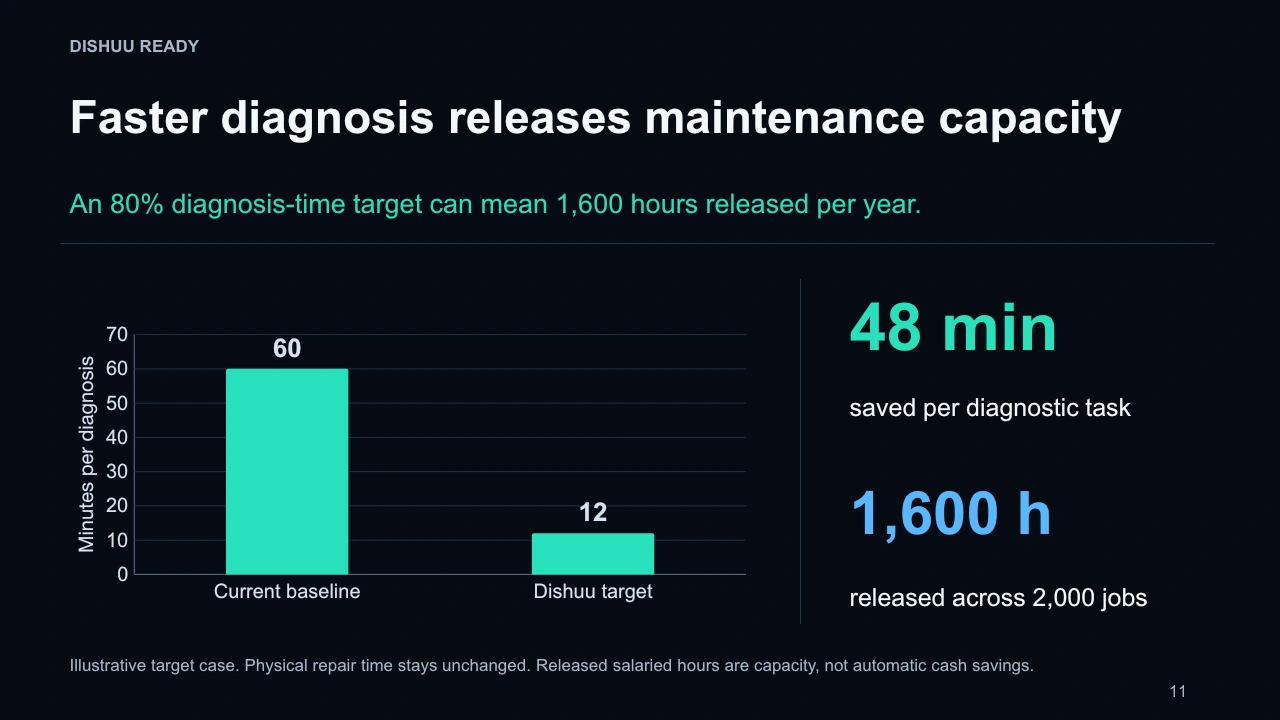
    Faster diagnosis releases maintenance capacity

    An 80% diagnosis-time target can mean 1,600 hours released per year.

    Chart: 60 minutes per diagnosis at the current baseline and 12 minutes at the Dishuu target.

    48 min

    saved per diagnostic task

    1,600 h

    released across 2,000 jobs

    Illustrative target case. Physical repair time stays unchanged. Released salaried hours are capacity, not automatic cash savings.

  12. Slide 12 of 15. Pilot outcomes and acceptance criteria
    Open full size
    Read slide text

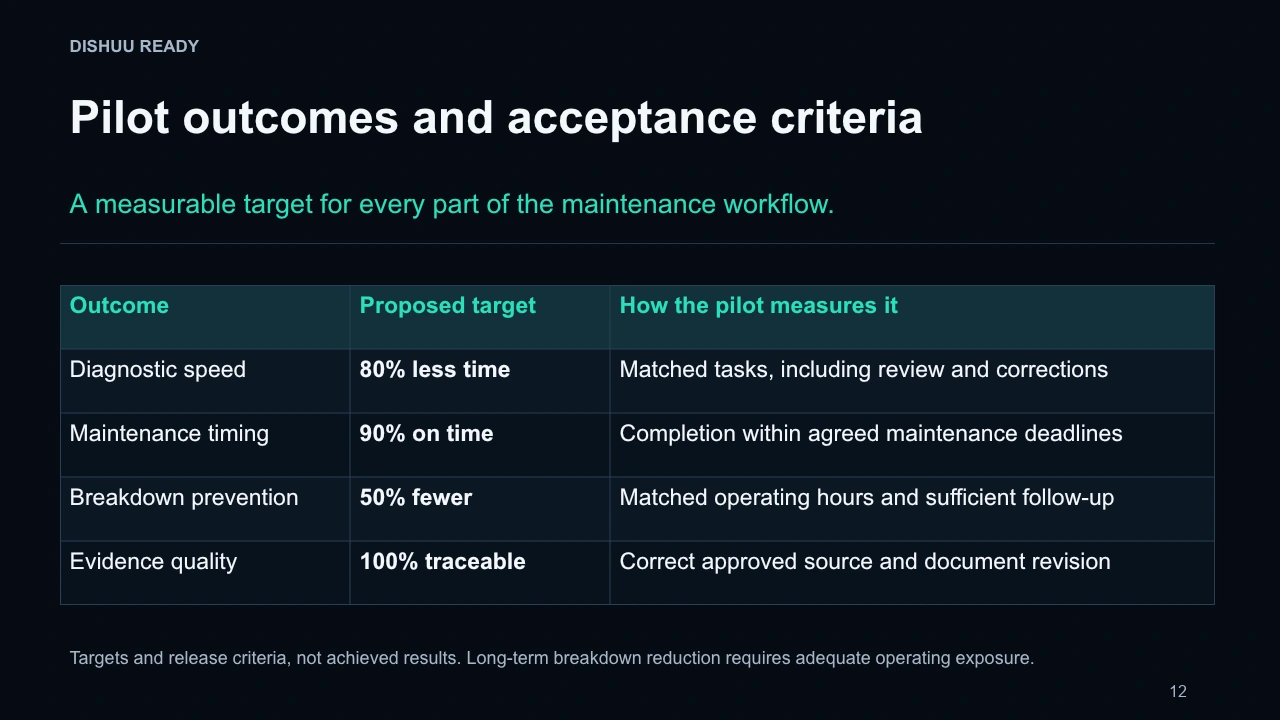
    Pilot outcomes and acceptance criteria

    A measurable target for every part of the maintenance workflow.

    Outcome

    Proposed target

    How the pilot measures it

    Diagnostic speed

    80% less time

    Matched tasks, including review and corrections

    Maintenance timing

    90% on time

    Completion within agreed maintenance deadlines

    Breakdown prevention

    50% fewer

    Matched operating hours and sufficient follow-up

    Evidence quality

    100% traceable

    Correct approved source and document revision

    Targets and release criteria, not achieved results. Long-term breakdown reduction requires adequate operating exposure.

  13. Slide 13 of 15. Dishuu’s custom AI algorithm
    Open full size
    Read slide text

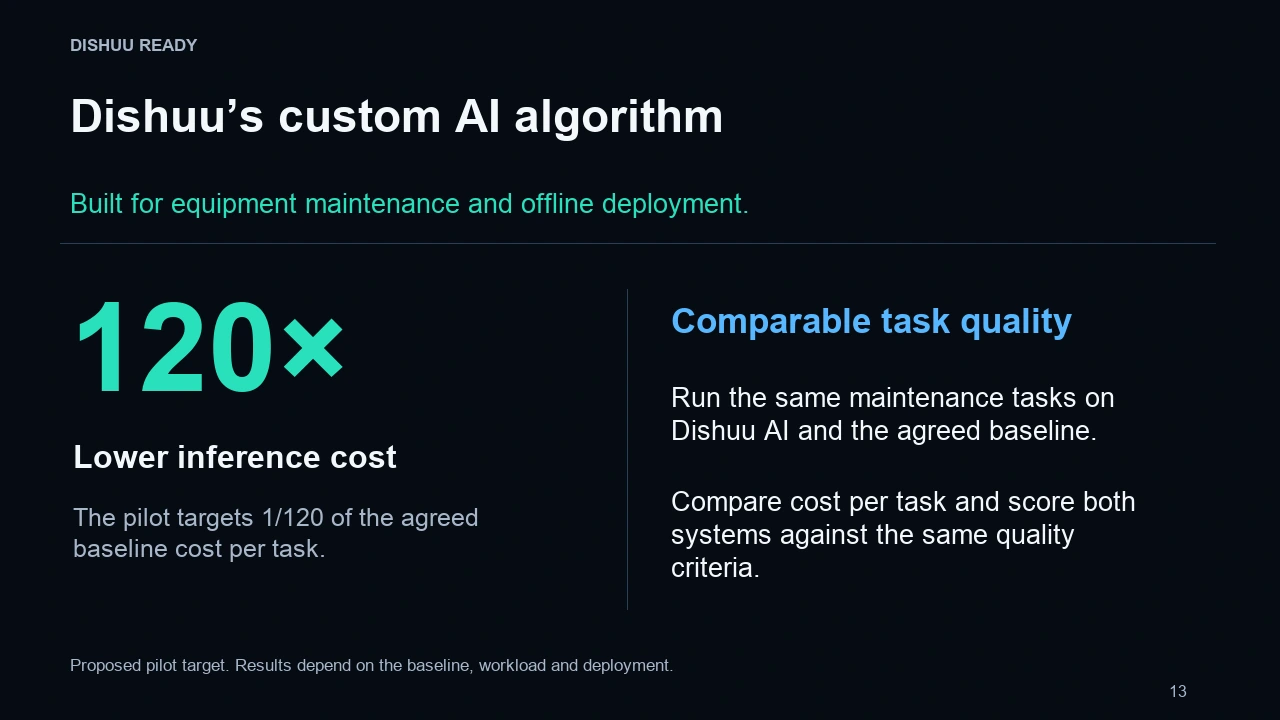
    Dishuu’s custom AI algorithm

    Built for equipment maintenance and offline deployment.

    120×

    Lower inference cost

    The pilot targets 1/120 of the agreed baseline cost per task.

    Comparable task quality

    Run the same maintenance tasks on Dishuu AI and the agreed baseline.

    Compare cost per task and score both systems against the same quality criteria.

    Proposed pilot target. Results depend on the baseline, workload and deployment.

  14. Slide 14 of 15. Pricing and deployment options
    Open full size
    Read slide text

    Pricing and deployment options

    Two pricing tiers for industry and two deployment options for defence.

    CIVILIAN INDUSTRIAL

    Online tier

    Cloud-hosted AI for connected facilities.

    Offline tier

    On-site AI for facilities that need to operate without internet access.

    DEFENCE

    Hardened offline AI

    AI runs on-site without internet access, with security tailored to the environment.

    Self-hosted AI

    AI runs on customer-controlled infrastructure under the organisation’s access and data policies.

  15. Slide 15 of 15. Ready when it matters
    Open full size
    Read slide text

    Ready when it matters.

    Four pillars behind Dishuu Ready.

    RELIABILITY

    Dependable systems and consistent performance.

    OPERATIONAL

    EXCELLENCE

    Clear procedures and measurable improvement.

    OFFLINE

    INTELLIGENCE

    Useful intelligence where connectivity is limited.

    TRUST

    Evidence people can verify. Decisions people control.

    Start a pilot discussion

    Neel Shah, CEO

    dishuu.com

    One site. One equipment family. One measurable pilot.

Start with the floor, the machine, or the workflow.

We’ll work with your team to find a practical first scope.

Talk to Dishuu